Most Carton Problems Are Decided Before Design Even Starts
By the time a carton reaches the design stage, several decisions have usually already been made by default rather than on purpose. Answering these five questions early avoids the most common (and most expensive) revisions.
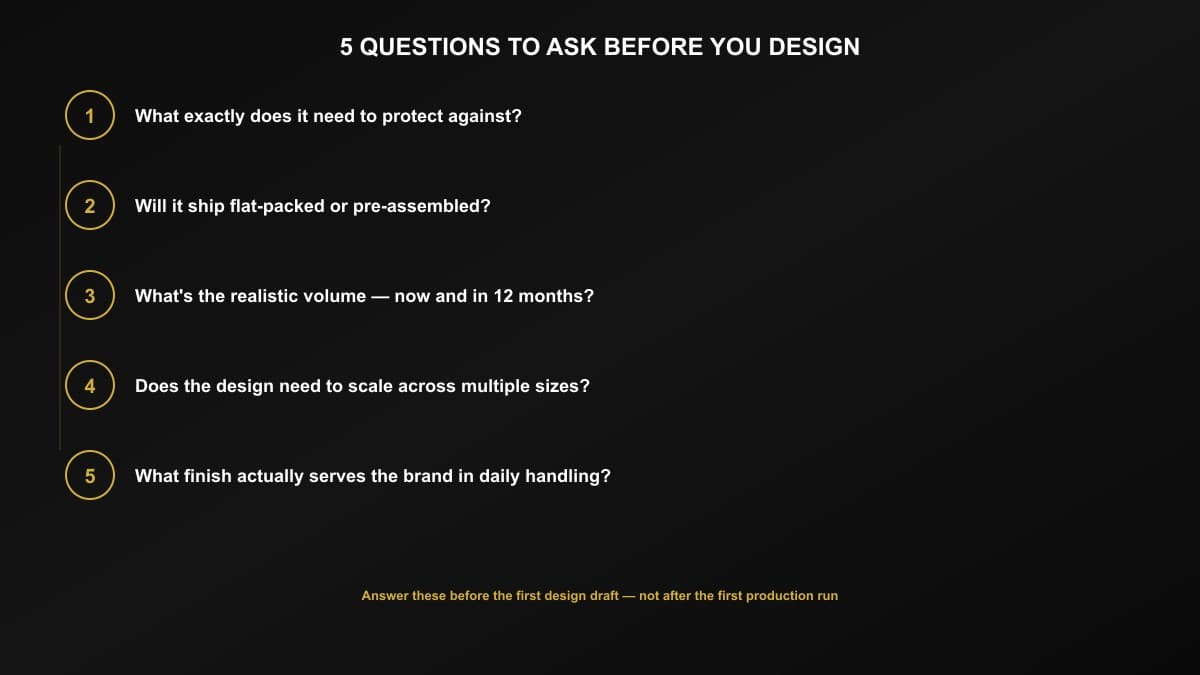
1. What Exactly Does This Carton Need to Protect Against?
A carton protecting a fragile glass item in transit has very different structural requirements than one that only needs to look good on a retail shelf. Be specific about the real risk: crushing, moisture, tampering, or simply looking presentable when handed over the counter. The answer changes the board weight and structure, not just the print.
2. Will It Ship Flat or Assembled?
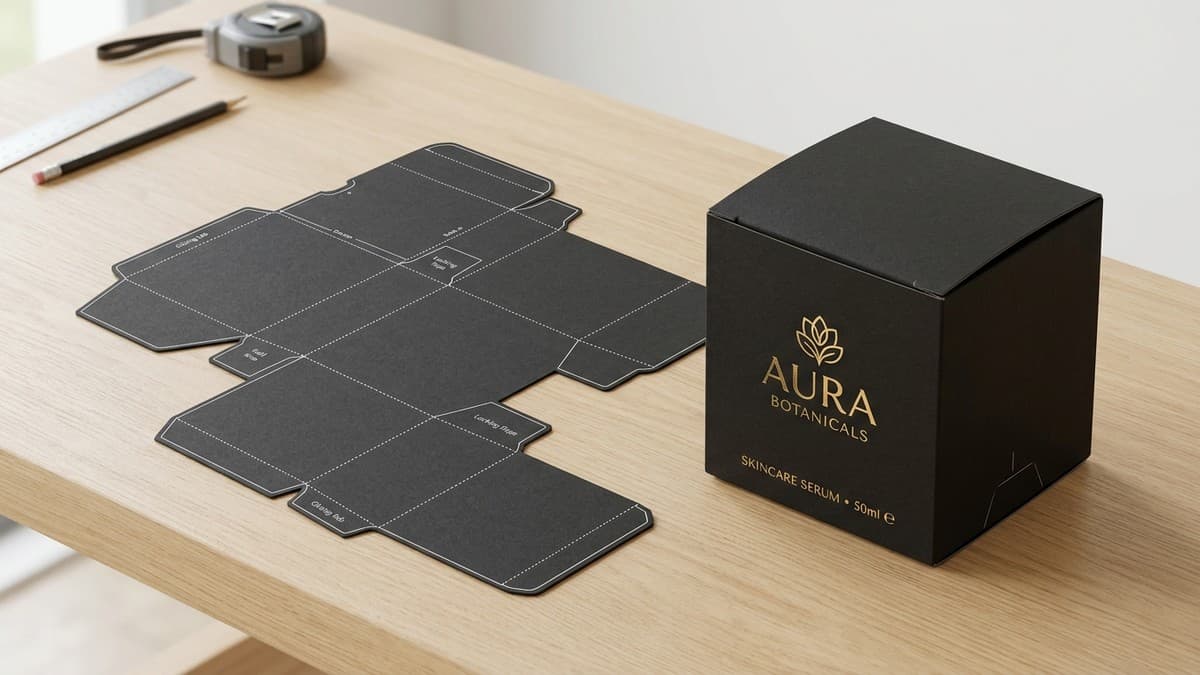
Flat-packed cartons are cheaper to ship and store, but need a die-line that folds cleanly and locks without extra assembly steps for your team or a customer. Pre-assembled boxes cost more to ship but remove that friction entirely. Deciding this before the die-line is drawn avoids a costly redesign later.
3. What's the Realistic Order Volume — Now and in 12 Months?
Custom die-lines have a one-time tooling cost. If you're ordering a few hundred units now but expect several thousand within a year, it's often worth investing in the right die from the start rather than paying for a new one later. Tell your supplier the real trajectory, not just the first order.
4. Does the Design Need to Work Across Multiple Product Sizes?
If this carton is one of several SKUs (different sizes of the same product line), a die-line designed to scale cleanly across sizes saves significant rework compared to designing each size from scratch.
5. What Finish Actually Serves the Brand — Not Just What Looks Good in a Mockup?
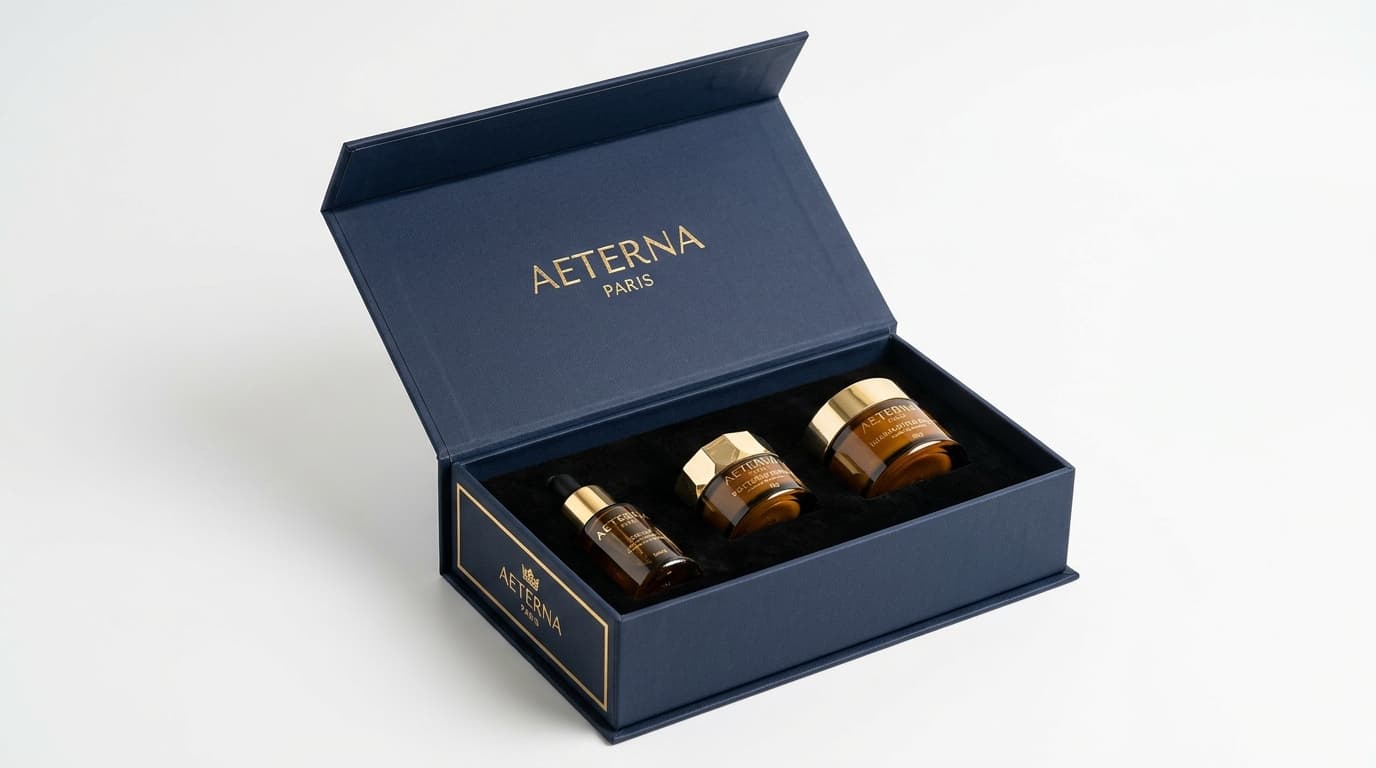
Matte lamination, spot UV, foil stamping, and embossing all read very differently depending on lighting and how the box will actually be handled. A finish that looks stunning in a studio photo can scuff or show fingerprints heavily in daily retail handling. Ask how the box will really be touched and stored, not just how it will be photographed once.
Getting It Right the First Time
Answering these before the first design draft is the single biggest lever for avoiding a second production run. Our packaging team reviews structure and finish choices against your actual use case as part of every custom quote — browse examples in our packaging range or request a quote with your product's rough dimensions to start the conversation.