A Quiet Shift in Where GCC Brands Print
For years, brands across the Gulf sourced large print and packaging runs from further afield, East Asia or Europe, accepting longer lead times in exchange for lower unit costs. That calculation is shifting, and Ajman Free Zone has become one of the more visible beneficiaries.
Proximity Changes the Economics
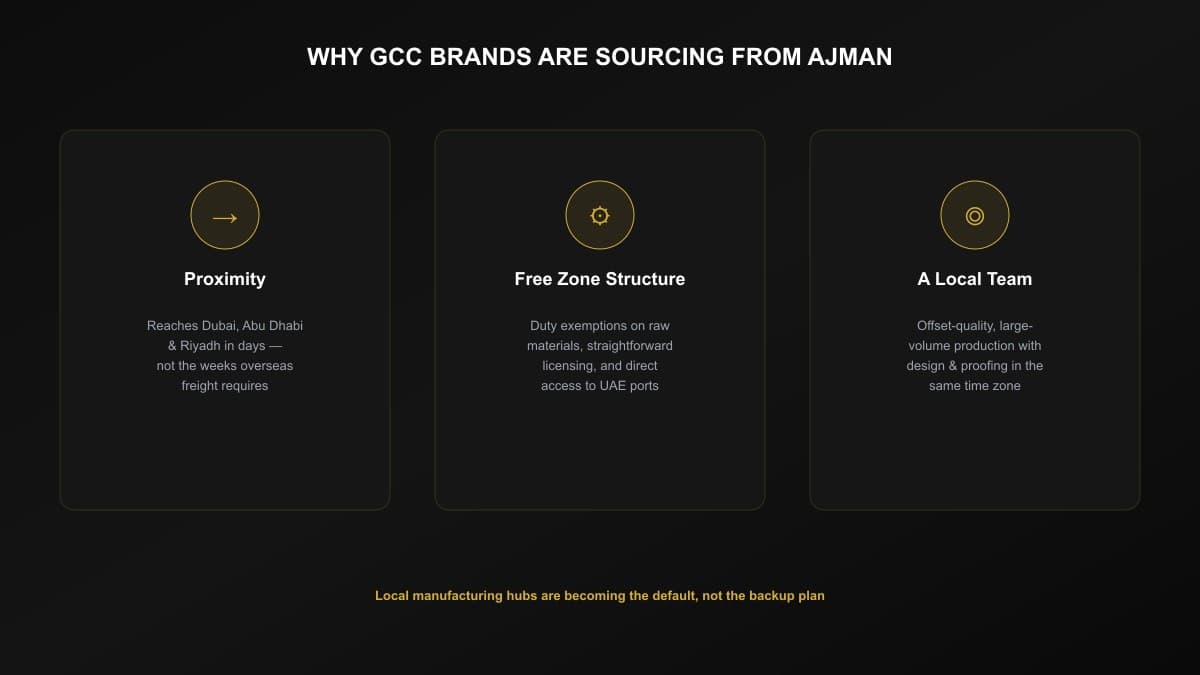
A packaging run manufactured in Ajman can reach a retailer in Dubai, Abu Dhabi, or Riyadh in days, not the weeks a sea freight shipment from overseas requires. For brands managing seasonal launches, retail replenishment, or anything with a tight deadline, that difference in lead time often outweighs a marginally lower unit cost from further away, especially once freight and customs delays are priced in honestly.
Free Zone Structure Supports Manufacturing at Scale
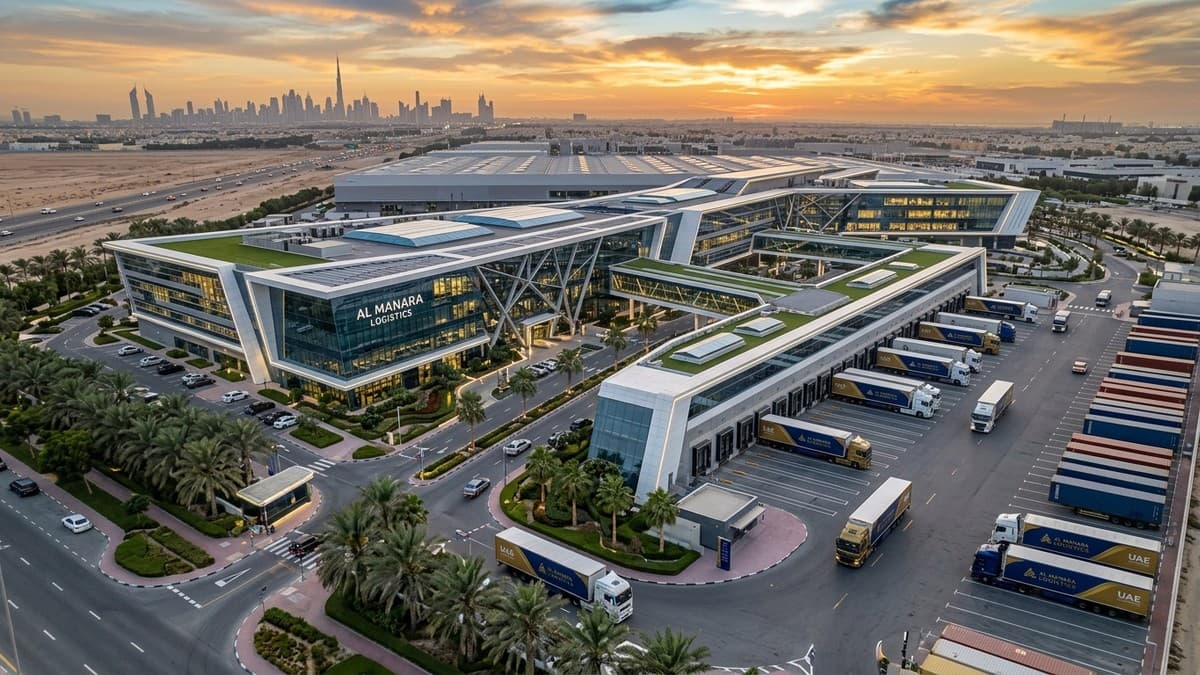
Ajman Free Zone's setup — duty exemptions on imported raw materials, straightforward licensing for manufacturing operations, and direct access to UAE ports — has made it practical for printing and packaging houses to invest in genuinely industrial-scale equipment locally, rather than only operating as trading or finishing intermediaries.
What This Means for Brands Sourcing Locally
The practical upside for a GCC brand is being able to get offset-quality, large-volume print and packaging production without the lead times of overseas sourcing, while still working with a local team through the design and proofing stage, in the same time zone and often the same language.
Where This Is Heading
As more brands in retail, F&B, and cosmetics move toward shorter product cycles and smaller, more frequent packaging runs, local production capacity becomes more valuable, not less — long overseas lead times work against exactly that kind of agility. Expect more GCC brands to treat local manufacturing hubs like Ajman as the default, not the backup plan.